 HORVÁTH PÁL
elnök, ISACA Budapest Chapter
Több mint 20 éve foglalkozom informatikával, végzettségem mérnök informatikus. Informatikai rendszer- és biztonságmenedzsment tapasztalattal rendelkezem, 8 éve biztonsági szakértői szakirányra specializálódtam. 10 évig dolgoztam pénzintézetnél Service Support, később Security Officer pozíciókban. Számos MNB auditban működtem közre.
I have been working in IT for more than 20 years, and I am an IT engineer. I have experience in IT systems and security management, specialising in security expertise for 8 years. I worked for 10 years in a financial institution as Service Support and later as Security Officer. I have been involved in several MNB audits.
__________________
 DR. KOVÁCS LÁSZLÓ VEZÉRŐRNAGY
tudományos rektorhelyettes, a Kiberbiztonsági Kutatóintézet vezetője; Nemzeti Közszolgálati Egyetem
Kovács László a Nemzeti Közszolgálati Egyetem egyetemi tanára. Hivatásos katona. Több mint huszonöt éve foglalkozik elektronikai hadviseléssel, információs műveletekkel és kiberhadviseléssel. Az egyetemi oktatás mellett tudományos kutatóként a kiberhadviselés, az információs terrorizmus, a kritikus információs infrastruktúrák védelme területeken folytat kutatásokat. 2020 szeptemberében elnyerte a Magyar Tudományos Akadémia doktora címét kiberbiztonsági stratégiákról írt értekezésével. 2019 és 2023 között a Magyar Honvédség Parancsnoksága Kibervédelmi szemlélője, majd a Magyar Honvédség Kiberműveleti Parancsnokságának parancsnoka volt. Katonai vezetőként fő feladata a Magyar Honvédség kibervédelmének és kiberműveleteinek irányítása, valamint szervezeteinek fejlesztése volt. Jelenleg a Nemzeti Közszolgálati Egyetem tudományos rektorhelyettese, a Hadtudományi Doktori iskola vezetője, illetve az Egyetem Államtudományi és Nemzetközi Kar Kiberbiztonsági Kutatóintézet vezetője.
László Kovács is a full university professor at the Ludovika University of Public Service. He has been involved in electronic warfare, information operations and cyber warfare for over twenty-five years. In addition to university education, as a scientific researcher, he conducts research in the fields of cyberwarfare, information terrorism, and the protection of critical information infrastructures. In September 2020, he was awarded the title of Doctor of the Hungarian Academy of Sciences with his dissertation on cyber security strategies. Between 2019 and 2023, he was the Cyber Defense Inspector of the Command of the Hungarian Defense Forces and then the Commander of the Cyber Operations Command of the Hungarian Defense Forces. His main task was the management of the cyber defense and cyber operations of the Hungarian Armed Forces, as well as the development of its organizations. He is currently the vice rector for academic affairs of the Ludovika University of Public Service, Head of Doctoral School of Military Science, and Head of Cyber Security Research Institute of Faculty of Public Governance and International Studies.
__________________
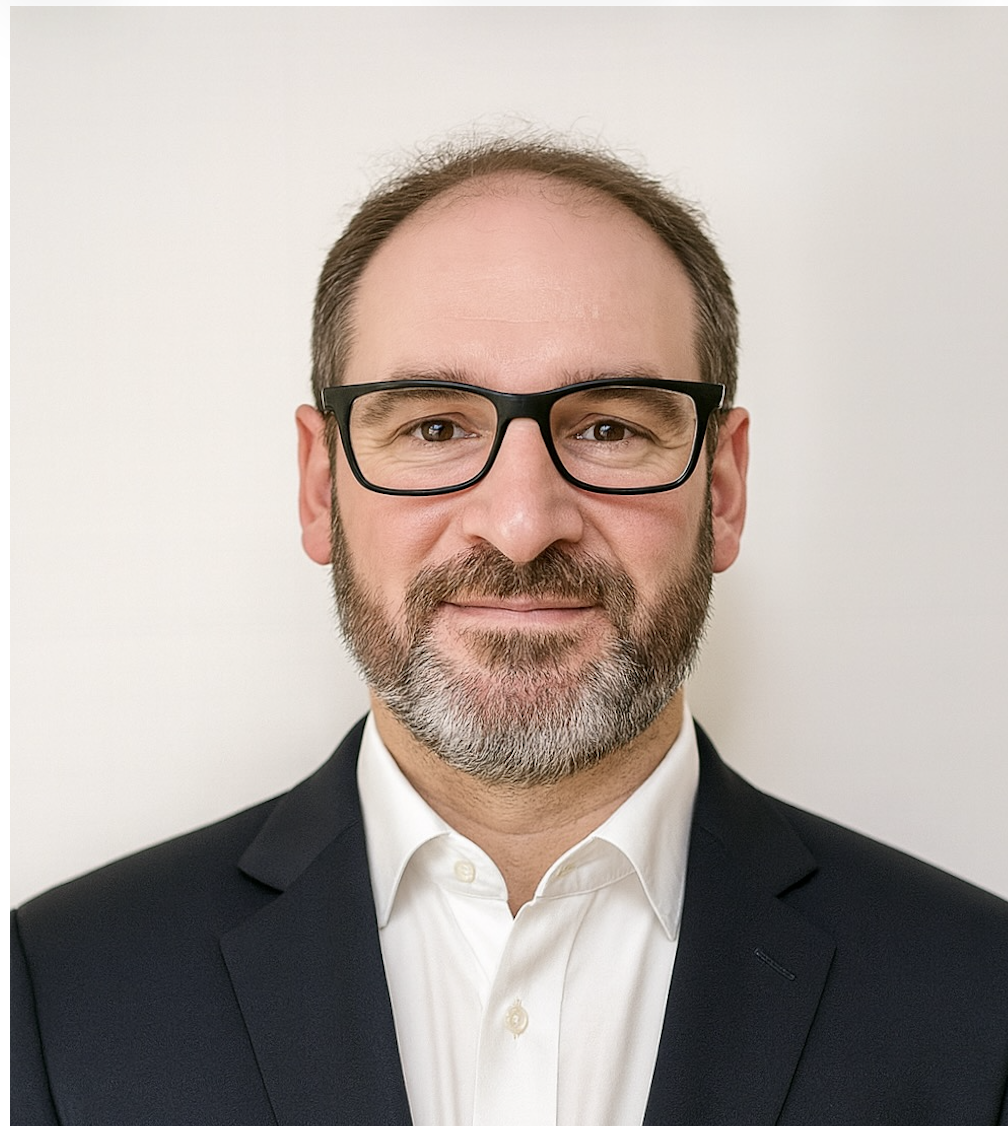 GUSTAVO FREGA
Sr. Academic Strategy and Business Partnership Manager
ISACA Global
Az MI irányítása és a bizalom építése: Európa kiberbiztonsági tehetségigénye a NIS2 korszakában
A mesterséges intelligencia gyorsabban alakítja át Európa kiberbiztonsági környezetét, mint ahogy azt bármely szabályozási keretrendszer követni tudná. A NIS2 biztosítja a szükséges jogi architektúrát – azonban egy megfelelően képzett és minősített szakembergárda nélkül, amely képes azt megvalósítani, ez csak részleges válasz marad. Ez a keynote előadás az MI‑irányítás, a szabályozási megfelelés és a humán erőforrás-stratégia metszéspontját vizsgálja, és amellett érvel, hogy Európa legsürgetőbb kiberbiztonsági kihívása nem technológiai, hanem humán jellegű – a tehetség kérdése. Az ISACA EMEA régióra kiterjedő akadémiai stratégiájára és valós piaci példákra építve az előadás egy jövőbe mutató keretrendszert mutat be arra, miként működhetnek együtt az egyetemek, munkáltatók, szakmai szervezetek és közösségek a készséghiány csökkentése és a hosszú távú digitális bizalom alapjainak megteremtése érdekében.
Gustavo Frega az ISACA EMEA régióért felelős Senior Academic Strategy and Business Partnership Managere. Fő feladata az akadémiai intézményekkel való kulcsfontosságú kapcsolatok kialakítása és fejlesztése. Több mint 20 éves tapasztalattal rendelkezik a nemzetközi üzletfejlesztés, értékesítés, marketing és képzés területén a kiberbiztonság, az informatika és a távközlési iparágakban. Az EMEA régióban csapatokat vezetett erős partneri kapcsolatok kiépítésére fókuszálva, emellett sikeres B2B modelleket dolgozott ki, a termékek koncepciójától egészen a piaci bevezetésig (GTM), különös hangsúlyt fektetve a mérhető eredmények elérésére.
Governing AI, Building Trust: Europe's Cybersecurity Talent Imperative in the NIS2 EraArtificial intelligence is reshaping Europe's cybersecurity landscape faster than any regulatory framework can follow. NIS2 provides the necessary legal architecture—but without a skilled, certified workforce to execute it, it remains an incomplete response. This keynote examines the intersection of AI governance, regulatory compliance, and human capital strategy, and makes the case that Europe's most urgent cybersecurity challenge is not technological—it is talent. Drawing on ISACA's academic strategy across EMEA and real-world examples from the region, the session presents a forward-looking framework for how universities, employers, chapter networks, and professional bodies can work together to close the skills gap and build the foundation of long-term digital trust.
Gustavo Frega is the Senior Academic Strategy and Business Partnership Manager for EMEA. Focused on developing key relationships with Academic Institutions, at ISACA, Gustavo is an experienced professional in International Business Development, Sales, Marketing, and training with over 20 years of experience within Cybersecurity, IT, and the telco industry. Gustavo has led teams in the EMEA region focused on developing strong relationships and has also created successful B2B models, being involved from product conception to GTM with a special focus on achieving results.
__________________

BIRÓ GABRIELLAelnök, WITSEC
oktató, korábbi Board tag, ISACA Budapest Chapter
oktató, NKE
Biró Gabriella programtervező matematikusként diplomázott az Eötvös Loránd Tudományegyetemen, és az IT biztonság területén szerzett széleskörű tapasztalatot, többek között bankoknál és tanácsadó cégeknél. Jelenleg szabadúszó IT biztonsági szakértőként dolgozik.
Számos nemzetközileg elismert minősítéssel rendelkezik, köztük CISA, CISM, CRISC, AAISM, CISSP, CCSP, CEH, és CFE. Gabriella aktívan hozzájárul a szakmai közösséghez: a WITSEC (Women in IT Security) elnöke és társalapítója, az ISC2 Hungary Chapter elnökségi tagja, valamint az ISACA Budapest Chapter elnökségének tagja, ahol az akadémiai kapcsolatokért felelős. Továbbá az ISACA SheLeadsTech program kapcsolattartójaként is tevékenykedik.
Gabriella különösen elkötelezett az információbiztonság oktatása és népszerűsítése iránt, és kiemelkedő eredményekkel rendelkezik ezen a területen. Az ISACA által nyújtott képzések egyik tapasztalt oktatója, aki 2025. januártól a CRISC képzést elsőként magyar nyelven is elérhetővé tette, emellett a CISM és CISA, AAISM és Cybersecurity Audit tanfolyamokat is tart.
Az informatikai biztonsági szakma fejlesztésében játszott szerepe, valamint oktatási és tanácsadási tapasztalatai garantálják, hogy hallgatói magas szintű, gyakorlati tudást sajátíthatnak el tőle.
__________________
CSERE ISTVÁN
Senior System Engineer
HRP
"Dolgozni bárhonnan" 2026-ban. Kiberbiztonsági kihívások - megoldások
Hogyan alakítja át a „work-from-anywhere” működési modell a vállalati kiberbiztonsági elvárásokat, és milyen hatásai vannak a felhasználói működésre, valamint az IT üzemeltetésre? Az előadás különböző gyakorlati felhasználási eseteken keresztül vizsgálja, hogyan támogatható a biztonságos, kontrollált és hatékony hozzáférés a SASE megközelítés alkalmazásával.
2006 óta foglalkozik kiberbiztonsági megoldásokkal, ez elmúlt 14 évben főként Fortinet megoldásokkal, mint presales- és rendszermérnök. Tapasztalatait disztribúcióknál, integrátoroknál és MSSP-nél szerezte. A 2023. év „legproaktívabb partner mérnök” díjjal ismerte el szakmai munkáját a Fortinet.
“Work from Anywhere” in 2026: Cybersecurity Challenges and SolutionsHow is the “work-from-anywhere” operating model transforming corporate cybersecurity expectations, and what impact does it have on user operations and IT administration? Through various practical use cases, this presentation examines how secure, controlled, and efficient access can be enabled through the application of the SASE approach.
He has been working in cybersecurity since 2006, focusing on Fortinet solutions for the past 14 years as a presales and systems engineer. He gained experience at distributors, integrators, and MSSP. In 2023, Fortinet recognized him with the Most Proactive Partner Engineer Award.
TARBAJ PÉTER, CIO, UBM Group
VASPÖRI FERENC, IT biztonsági szolgáltatások igazgató, One Solutions
Egy ransomware-támadás története
Egy ransomware-támadás ma már nemcsak informatikai, hanem üzleti és vezetői válsághelyzet is. A beszélgetés egy nagyvállalati incidens szemszögéből mutatja be, hogyan zajlik egy támadás felismerése, milyen döntési helyzetekkel szembesül a menedzsment és az IT, valamint milyen szerepe van a felkészültségnek és az incidenskezelésnek a működés helyreállításában.
__________________
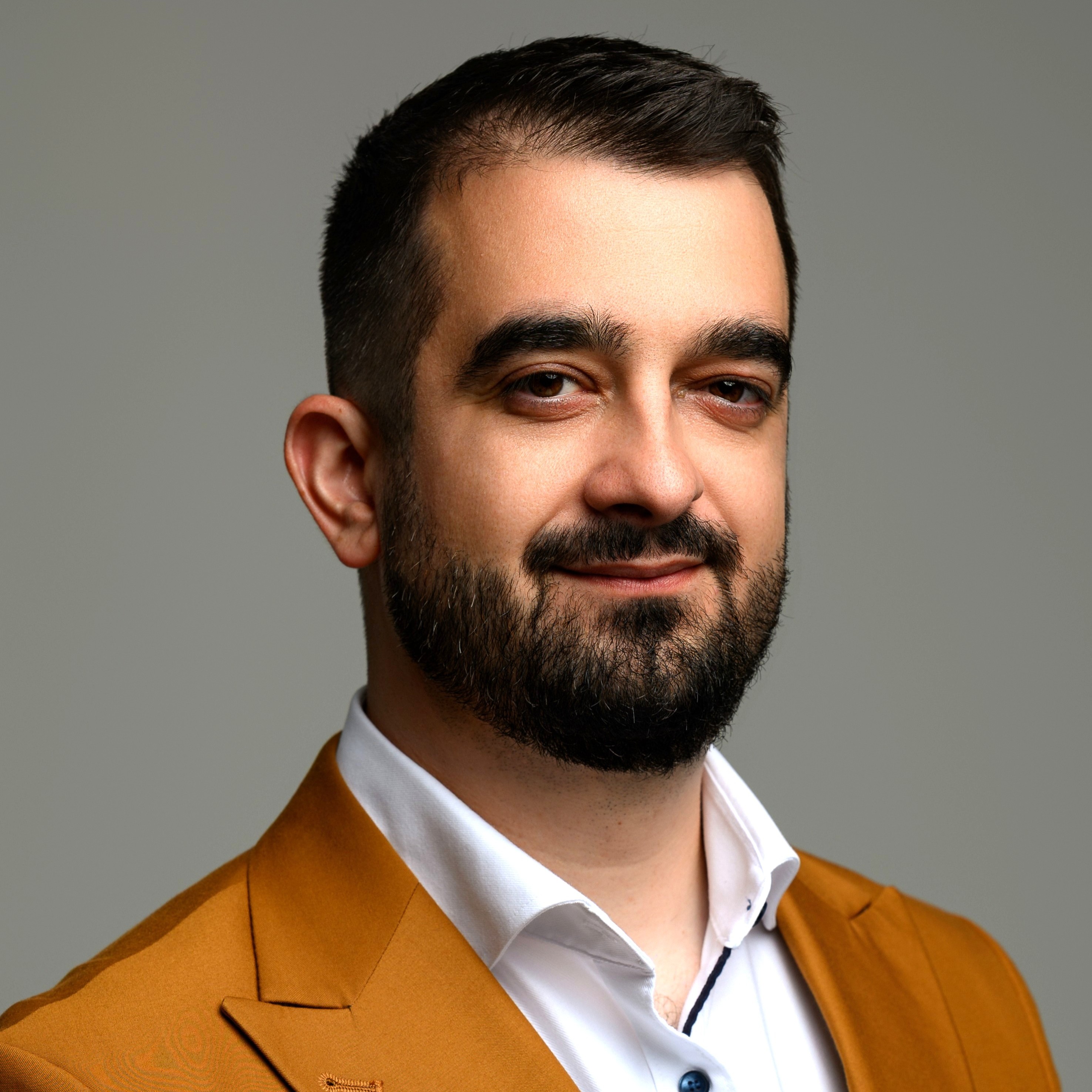
DR. VÁCZI DÁNIEL
CEO és alapító / CEO and founder
Brind
NIS2 evidenciafeldolgozás nyelvi modellekkel: lehetőségek és korlátok
A nyelvi modellek egyre fontosabb szerepet kapnak a NIS2 és más compliance felkészülések és auditok támogatásában. Segíthetnek eligazodni a nagy mennyiségű dokumentum és technikai evidenciák között, gyorsíthatják az előkészítést és a hiányosságokra is rámutathatnak. Ugyanakkor könnyű túlértékelni őket, ami félrevezető következtetésekhez vezethet. A szaktudás továbbra is elengedhetetlen. Előadásunkban a Brind platformba beépített cél AI fejlesztése során szerzett tapasztalatainkat mutatjuk be.
Az elmúlt 10+ évben sok nemzetközi és hazai piaci, állami és védelmi szektorban tevékenykedő szereplővel volt szerencsém együtt dolgozni tanácsadóként, vállalkozóként és kutatóként. A Brind alapításakor a legfontosabb célom az volt, hogy egy olyan platformot hozzanak létre, mely az ökoszisztéma jelenlegi valós problémáira ad megoldást: IBF/CISO támogatása, nemzetközi NIS2 megfelelés és auditálás elősegítése, a szereplők összekötése, információcsere, erőforráshiány csökkentése.
NIS2 evidence processing using language models: possibilities and limitations
Language models are playing an increasingly important role in supporting NIS2 and other compliance preparations and audits. They can help navigate large volumes of documents and technical evidence, accelerate preparation, and highlight gaps. At the same time, they are easy to overestimate, which can lead to misleading conclusions. Expertise remains essential. In this presentation, we share the lessons learned from developing a purpose-built AI integrated into the Brind platform.
As a consultant, entrepreneur, and researcher, I have had the privilege of working with many international and local market, government, and defense sector players over the past 10+ years. When I founded Brind, my main goal was to create a platform that would provide solutions to the real problems currently facing the ecosystem: supporting IBF/CISO, promoting cross-border NIS2 compliance and auditing, connecting players, exchanging information, and reducing resource shortages.
__________________

MILORAD JOVIC
korábbi elnök, ISACA Belgrade Chapter
Immediate Past President at ISACA Belgrade Chapter
A NIS2 auditod 2026-ban lesz - Készen áll az AD rendszered?
Gyorsan közeleg a 2024. évi LXIX. törvény szerinti első átfogó kiberbiztonsági audit 2026. június 30-i határideje, és az Active Directory kontrollok az elsők között lesznek, amelyeket az SZTFH által nyilvántartott auditorok vizsgálni fognak. Az előadás bemutatja, hogy az auditorok pontosan mit ellenőriznek az Active Directory környezetben — privilegizált fiókok, hozzáférési naplók, GPO dokumentáció, jelszóházirendek bizonyítékai — valamint azt is, hogyan néz ki egy „nem megfelelő” minősítés az auditjelentésben.
Milorad Jović a STADA Group Senior IT Audit Managere, több mint 13 éves tapasztalattal IT audit, kiberbiztonság és kockázatkezelés területén. CISA minősítéssel rendelkező szakember, valamint az ISACA Belgrade Chapter korábbi elnöke volt. Szakterületei közé tartozik az IT governance, a kockázatkezelés, az információbiztonság és a szabályozói megfelelés, különös tekintettel a NIS2, ISO 27001 és NIST keretrendszerekre. Milorad széleskörű nemzetközi audit tapasztalattal rendelkezik, és rendszeresen tart előadásokat szakmai közösségek számára konferenciákon és egyéb rendezvényeken.
Your NIS2 Audit is in 2026 - Is Your AD Ready?
The burning topic right now. The June 30, 2026 deadline for the first comprehensive cybersecurity audit under Act LXIX of 2024 is approaching fast, and AD controls are one of the first things SZTFH-registered auditors will examine. Walk through exactly what auditors check in AD — privileged accounts, access logs, GPO documentation, password policy evidence — and what "not compliant" looks like on the report.
Milorad Jović is a Senior IT Audit Manager at STADA Group with over 13 years of experience in IT audit, cybersecurity, and risk management. He is a CISA-certified professional and former President of the ISACA Belgrade Chapter. His expertise includes IT governance, risk, security and regulatory compliance, with a focus on NIS2, ISO 27001 and NIST frameworks. Milorad has extensive international audit experience and regularly presents to professional communities through conferences and events.
__________________
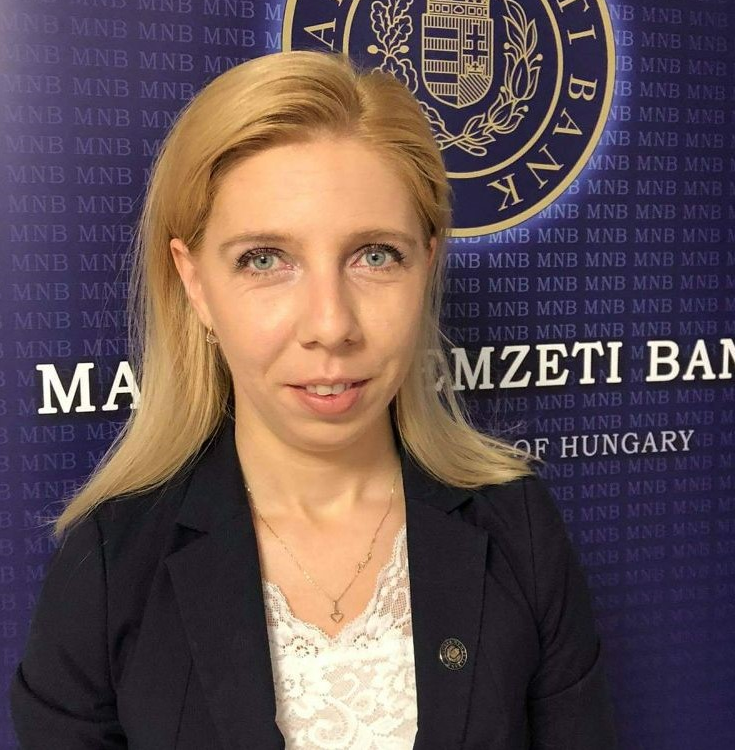
TIKOS ANITA
főosztályvezető / Head of department
Magyar Nemzeti Bank / Central Bank of Hungary
Az IKT szolgáltatók kezelésével kapcsolatos kihívások a pénzügyi szektorban
A DORA rendelet számos előírást fogalmaz meg az IKT szolgáltatók alkalmazására vonatkozóan. A rendelet immár másfél éve alkalmazandó, mely időszak során szerzett felügyeleti tapasztalatok és főbb kihívások bemutatására kerül sor az előadás keretében.
Tikos Anita a Magyar Nemzeti Bank Informatikai felügyeleti főosztályának vezetője. Már több mint 10 éve foglalkozik EU-s kiberbiztonsági szabályozással és kiberbiztonsági együttműködésekkel, korábban globális szinten (a Nemzeti Kibervédelmi Intézet és a Nemzeti Fejlesztési Minisztérium képviseletében), jelenleg pedig a pénzügyi szektorra vonatkozóan a Magyar Nemzeti Bank képviseletében. Az elmúlt években fő feladata a DORA rendelet és részletszabályainak kidolgozásában való együttműködés, valamint a rendelet felügyelésével kapcsolatos feladatok kidolgozása és bevezetése volt.
Challenges of the ICT service providers in the financial sector
DORA defines several requiremenst for ICT service providers. DORA is applicable since more than one and a half year, so the main suprevisory experiences and challenges will be presented from that timepreiod.
Anita Tikos is the Head of the IT Supervisory Department of the Central Bank of Hungary. She has been working on EU cybersecurity regulation and cybersecurity cooperation for more than 10 years, previously on a global level (representing the National Cybersecurity Center and the Ministry of National Development), currently on behalf of the Hungarian National Bank for the financial sector. In recent years, her main task has been to cooperate in the development of DORA regulation and its second level regulations, as well as to prepare the supervision of the regulation on behalf of the MNB.
__________________
 BOR OLIVÉR
NKE HDI – doktorandusz, EY - manager
Ludovika University of Public Service - PhD candidate, EY - manager
Kommunikáció mint kiberbiztonsági kontroll: fogalmi hiányok és NIS2 tapasztalatok
Az előadás a kommunikáció kiberbiztonsági kontrollként betöltött szerepét vizsgálja, különös tekintettel a fogalmi hiányokra és a közszektorbeli alkalmazás kihívásaira. A NIS2 tapasztalatok alapján bemutatja, hogy a stratégiai és kríziskommunikáció, valamint a közösségi média miként támogatja a tudatosságot, a bizalmat és a kockázatok hatékony kezelését, ugyanakkor rávilágít a jelenlegi gyakorlatok és empirikus bizonyítékok közötti hiányokra. Kiemeli továbbá, hogy a szabályozási környezet, a célzott kommunikáció és a regionális sajátosságok integrált kezelése nélkül a kiberbiztonsági intézkedések hatékonysága korlátozott maradhat.
Bor Olivér a Nemzeti Közszolgálati Egyetem Hadtudományi Doktori Iskola doktorandusza, egyetemi vendégoktató és az EY kiberbiztonsági menedzsere, aki a kiberbiztonsági kommunikáció és kríziskommunikáció területét kutatja. Vizsgálja a közösségi média stratégiai használatát a közszektorban, különösen annak szerepét a tudatosság növelésében, a kockázatok közvetítésében, valamint a krízishelyzeti kommunikációban, beleértve a jó gyakorlatok azonosítását és a hatékonyabb alkalmazás lehetőségeit. Munkája során elsősorban a NIS2 irányelvhez kapcsolódó felkészülési, megfelelési és audit projektek szakmai vezetéséért felel.
Communication as a cybersecurity control: conceptual gaps and NIS2 experiences
The presentation examines the role of communication as a cybersecurity control, focusing on conceptual gaps and challenges in the public sector. Based on NIS2 experience, it shows how strategic and crisis communication, together with social media, can support awareness, trust, and effective risk management, while also highlighting gaps between current practice and evidence. It also emphasizes that without an integrated approach that considers regulation, targeted communication, and regional differences, cybersecurity measures remain limited in effectiveness.
Olivér Bor is a PhD candidate and guest lecturer at the Doctoral School of Military Sciences of the National University of Public Service, and a Cybersecurity Manager at EY. His research focuses on cybersecurity communication and crisis communication. He examines the strategic use of social media in the public sector, especially its role in raising awareness, communicating risks, and supporting crisis communication, including identifying best practices and opportunities for more effective use. In his professional work, he is primarily responsible for leading NIS2-related preparedness, compliance, and audit projects.
__________________

OROSZI ESZTER DIÁNA
Információbiztonsági tanácsadás üzletágvezető, Silent Signal

VERES-SZENTKIRÁLYI ANDRÁS
senior információbiztonsági szakértő, Silent Signal
AI a kiberbiztonsági auditokban - csepp a tengerben? Öntsünk tiszta vizet a pohárba!
Egy évvel ezelőtti ISACA-s előadásunkon azt boncolgattuk, hogy kell-e (és ha igen, mire) egy GRC rendszerbe mesterséges intelligencia – a NIS2 auditok berobbanása pedig szinte varázseszközzé tette az AI használatot az evidenciák feldolgozása során. Mágikus jelenség, és szinte alap elvárás lett, hogy az AI „keresse meg”, „értelmezze”, „töltse ki”, sőt „írja meg” helyettünk az auditjelentést, sőt akár a szükséges szabályzatokat. Friss kutatásunkban utánajártunk a „boszorkányságnak”: bemutatjuk, hogy a századforduló rádium iránti rajongásához hasonlóan a "mesterséges" és "intelligencia" szavakkal körülírt technológiai megoldások sem jellegüknél fogva jók vagy rosszak, ameddig tisztában vagyunk az egyes lehetőségek korlátaival és veszélyeivel.
Oroszi Eszter Diána a Silent Signal Kft. információbiztonsági tanácsadás üzletágának a vezetője. A biztonságtudatosság mérése és fejlesztése mellett a SIREN rendszer révén innovatív megoldásokkal támogatja a szervezetek információbiztonsági felkészültségének fejlesztését.
Veres-Szentkirályi András, a Silent Signal Kft. egyik alapító-tulajdonosa, ügyvezetője, senior IT biztonsági szakértő. Sok sapkája között nem csak az etikus hackerek csapatát erősíti, hanem szakmai felügyelete alá tartoznak a SIREN rendszer és az Awareness Game játék fejlesztői is.
__________________
BÁNYÁSZ-VÁCZI KINCSŐ BORÓKA
kutató, NKE ÁNTK, Kiberbiztonsági Kutatóintézet
researcher, Cybersecurity Research, Faculty of Public Governance and International Studies, Ludovika University of Public Service
Mesterséges intelligencia-használati mintázatok és hallgatói attitűdök a Nemzeti Közszolgálati Egyetem hallgatóinak empirikus vizsgálata alapján
A generatív mesterséges intelligencia nem jön – már itt van, és a hallgatók már régen eldöntötték, hogyan használják. Az előadás azt mutatja be, hogy egy NKE-n végzett empirikus vizsgálat alapján mi húzódik meg a használati mintázatok mögött; személyiségjegyek, attitűdök, szubjektív normák – és hogy a szabályozás mindebből mit nem vesz figyelembe. A intézményi szabályozás vajon képes befolyásolni a hallgatók viselkedését?
Az előadó Nemzeti Közszolgálati Egyetem Államtudományi és Nemzetközi Tanulmányok Kar, Kiberbiztonsági Kutatóintézet kutatója. Aktív tagja a HTE Információbiztonsági Szakosztálynak. Kutatási területe a generatív mesterséges intelligencia, illetve a kiberbiztonság humán aspektusa.
Artificial Intelligence Use Patterns and Student Attitudes: Evidence from an Empirical Study among Students of Ludovika University of Public Service
Generative AI is not coming — it is already here, and students have long since decided how they use it. Based on an empirical study conducted at Ludovika University of Public Service, this presentation explores what lies behind students’ AI use patterns; personality traits, attitudes and subjective norms — and what institutional regulation often fails to take into account. Can institutional regulation still shape student behaviour?
The speaker is a researcher at the Institute for Cybersecurity Research, Faculty of Public Governance and International Studies, Ludovika University of Public Service. She is an active member of the Information Security Section of the Hungarian Society for Information Technology (HTE). Her research focuses on generative artificial intelligence and the human dimensions of cybersecurity.
__________________
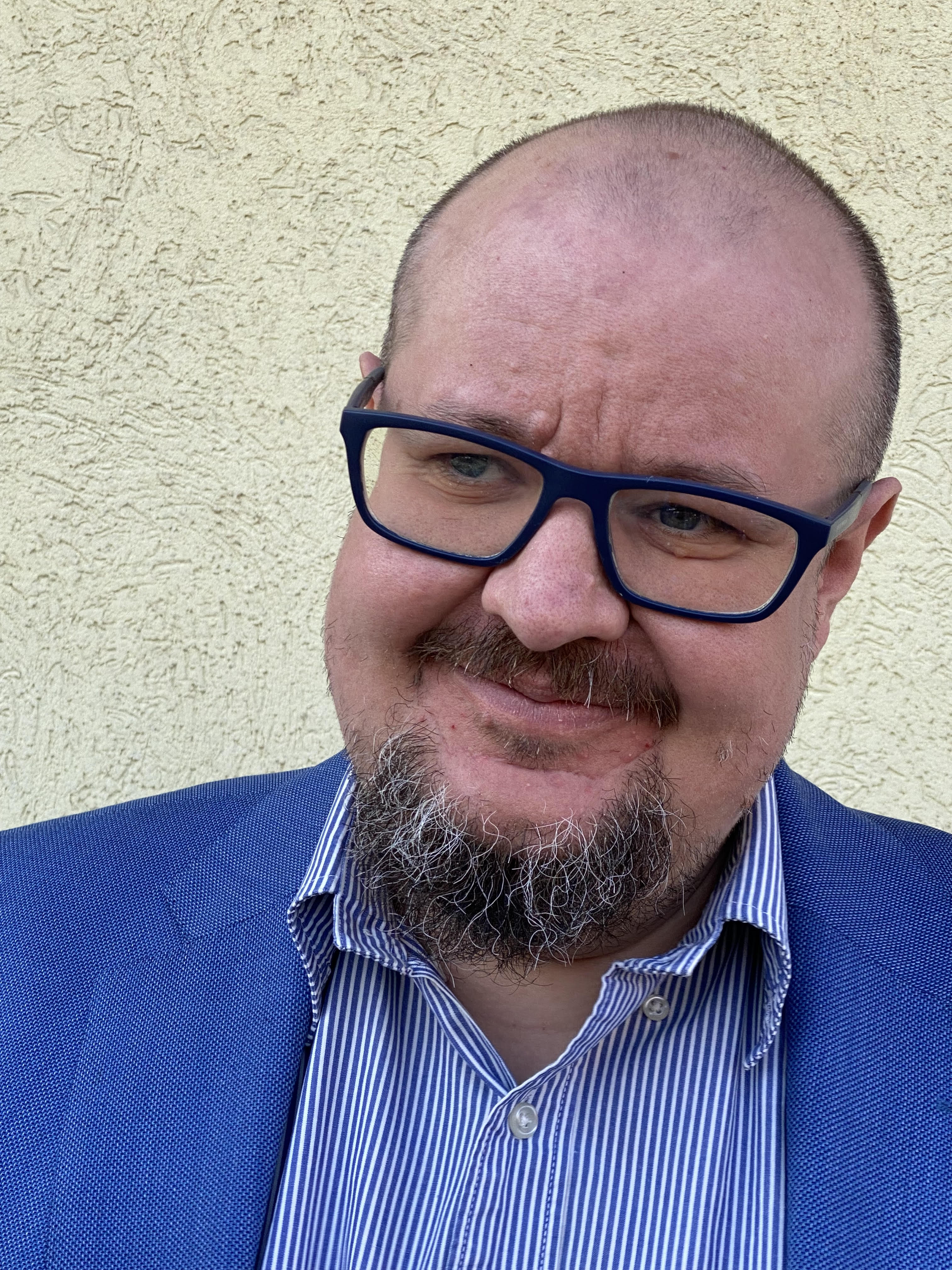 BÁNYÁSZ PÉTER
egyetemi docens, Nemzeti Közszolgálati Egyetem Államtudományi és Nemzetközi Tanulmányok Kar Kiberbiztonsági és e-Közigazgatási Tanszék
associate professor, Department of Cybersecurity and E-Government, Ludovika University of Public Service
A felkészültség-szorongás paradoxona
Aki többet védekezik, az jobban fél?
Azt hinnénk, aki felkészül az online csalások ellen, az nyugodtabban böngészik. Egy 1006 fős, reprezentatív magyar felmérés alapján azok, akik aktívan védik fiókjaikat, jobban szoronganak az online csalások miatt. Aki már átesett csaláson, az ugyan jobban aggódik, de nem kezd el védekezni. Az előadás bemutatja, hogyan lehet ebből a paradoxonból hatékony tudatossági stratégiát építeni.
A Nemzeti Közszolgálati Egyetem Államtudományi és Nemzetközi Tanulmányok Kar Kiberbiztonsági és e-Közigazgatási Tanszék egyetemi docense, a Kiberbiztonsági Kutatóintézet kutatója. Kutatási területe a kiberbiztonság humán aspektusa, a dezinformáció, social engineering és a biztonságtudatosság. Számos tudományos és közéleti szervezet aktív tagja. Kiemelten fontos számára a tehetséggondozás.
The Preparedness–Anxiety Paradox
Do people who take more precautions feel safer online? A representative Hungarian survey of 1,006 respondents suggests the opposite: those who actively protect their accounts are more anxious about online fraud. Meanwhile, previous victims worry more, yet do not necessarily adopt stronger precautions. The presentation explores how this paradox can inform more effective cybersecurity awareness strategies.
Associate Professor at the Department of Cybersecurity and E-Government, Ludovika University of Public Service, and Research Fellow at the Cybersecurity Research Institute. His research focuses on the human dimensions of cybersecurity, with particular emphasis on disinformation, social engineering, and security awareness. He is an active member of several academic, professional and civic organisations, and is strongly committed to mentoring students and supporting emerging talent.
__________________

MOLNÁR ISTVÁN
rendszermérnök / system engineer
Clico Hungary
A PKI és tanúsítványkezelés automatizálása; felkészülés a „47 napos korszakra”
A gépi identitások és a rövid élettartamú TLS-tanúsítványok terjedése miatt a hagyományos PKI/tanúsítvány menedzsment már nem elegendő. A „47 napos korszak” automatizált tanúsítványkezelést igényel a hibák, leállások és biztonsági kockázatok csökkentésére. A modern, szabályvezérelt PKI alapja a felderítés, tulajdonjog-kezelés, automatikus megújítás, monitorozás és auditálás.
Molnár István rendszermérnök több mint 10 év tapasztalattal rendelkezik IT biztonsági, IAM/IDM/PAM és végpontvédelmi megoldások tervezésében és bevezetésében. Szakterülete az identity és privileged access management, valamint a modern vállalati biztonsági architektúrák kialakítása. Több nemzetközi szakmai minősítéssel és hivatalos CyberArk oktatói képesítéssel rendelkezik.
Automating PKI and Certificate Management; Preparing for the “47-Day Era”
The growth of machine identities and shorter TLS certificate lifecycles is making traditional PKI/certificate management unsustainable. The upcoming “47-day era” requires automated certificate management to reduce outages, human error, and security risks. Modern policy-driven PKI focuses on discovery, ownership management, automated renewal, monitoring, and auditing to ensure scalable and secure operations.
István Molnár is a systems engineer with more than 10 years of experience in designing and implementing IT security, IAM/IDM/PAM, and endpoint protection solutions. His areas of expertise include identity and privileged access management, as well as the design of modern enterprise security architectures. He holds multiple internationally recognized certifications and has extensive expertise in CyberArk technologies, including official instructor-level accreditation.

HARGITAI ZSOLT
Üzletfejlesztési igazgató, SUSE
Szuverén AI: Adatvédelem és kontroll a generatív modellek korában
A generatív AI berobbanásával a vállalatok válaszút elé kerültek: vagy kihasználják a technológia előnyeit a publikus felhőszolgáltatásokon keresztül – kockáztatva ezzel szellemi tulajdonuk és ügyféladataik biztonságát –, vagy lemaradnak a versenyben. Az előadás bemutatja, hogyan teremthető meg a Szuverén AI környezet, ahol a modellek futtatása és az adatok feletti kontroll teljes egészében a szervezet kezében marad.
Megvizsgáljuk a SUSE nyílt forráskódú ökoszisztémájára épülő architektúrákat, amelyek lehetővé teszik az LLM-ek (Large Language Models) biztonságos, on-premise vagy privát felhő alapú üzemeltetését. Szó lesz a Zero Trust alapelvek kiterjesztéséről az AI munkafolyamatokra, a NeuVector által biztosított konténer-szintű védelemről, valamint arról, hogyan feleljünk meg az érkező EU AI Act szigorú szabályozásainak anélkül, hogy feláldoznánk az innovációt.

BERTALAN-SURJÁN BENCE
az OTP Cloud Security projekt támogató csapatának vezetője
AI a Bankban: barát, ellenség vagy mindkettő? / Amikor a védelem skálázódik… és a kockázat is
Az előadó bemutatja, merre tart az AI az OTP Bankban, és milyen kihívásokat hoz magával – az adatminőségtől a szabályozáson át a mindennapi működésig. Gyakorlati példákon keresztül rávilágít az AI fő kockázataira és a tipikus bevezetési hibákra - mindezt a kiberbiztonság szemszögéből is. Így válik érthetővé, hogy az AI egyszerre erősíti a védelmet, miközben új eszközöket ad a támadók kezébe is.
Több mint 8 éve dolgozik az OTP Banknál. Pályafutása során kiemelt szerepet kaptak az információbiztonsági feladatok, amelyeken belül az elmúlt 3 évben a Cloud Security területre specializálódott. Napi munkája során különböző felhőplatformok – Azure, AWS és GCP – biztonsági elvárásainak definiálásával, tervezésével és megvalósításával foglalkozik. Emellett aktívan részt vesz az OTP Bank cloud érintettségű projektjeinek napi szintű biztonsági támogatásában is. Feladatai közé tartozik a szabályozási környezet kialakítása és a biztonsági kontrollok gyakorlati bevezetése. 2025. közepe óta az AI Security terület is egyre hangsúlyosabb szerepet kap a munkájában. Aktívan részt vesz modellek és AI agentek biztonsági ellenőrzésében, valamint a működésükhöz kapcsolódó kockázatok vizsgálatában. Emellett model providerek értékelésével és biztonsági szempontú minősítésével is foglalkozik. Csapatvezetőként a szakmai iránymutatás mellett felel a csapat fejlődéséért és a stratégiai célok megvalósításáért.
 LUCA PERTILE
President of AIEA | ISACA Milan Chapter
mAI give assurance on IT?
"If you know the enemy and know yourself, you need not fear the result of a hundred battles." This famous quote from Sun Tzu's The Art of War explains that victory requires deep understanding of your opponent's strengths and weaknesses, and awareness of your own capabilities. This ensures you can predict outcomes and win without unnecessary risk. Did we spend enough time to know what AI really is? Did we look inside the black box? Can we provide assurance on it? Or is it just a wonderful world?
Luca Pertile has been an IT auditor for 30+ years, is the President of the 47-yrs-old AIEA-ISACA Milan Chapter and IT Internal Auditing Senior Manager at Euronext. He worked for the London Stock Exchange Group and main Italian banks. A father of two “digital natives”, he loves to call himself a “first generation immigrant”. A radio enthusiast, a pre-internet BBS Fidonet user, an Erasmus student at RWTH Aachen, graduated at the Politecnico of Milan while playing with multilevel neural networks.
__________________
 MILICA KRAJŠIĆ PECELJ
Vice President, ISACA Belgrade Chapter
AI Under Audit: CFO Assurance over Data Risk
AI has quickly moved from ‘something for the future’ to a tool actively shaping financial reporting, forecasting, and decision-making. For CFOs, this raises a critical question: how can you sign off on numbers generated by systems that are not fully transparent? In this session, we move beyond the AI hype and focus on real-world risks and accountability. What happens when AI ‘hallucinates’ revenue explanations, when forecasting models drift without anyone noticing, or when external data sources used by AI are incomplete or biased? We will connect these risks to evolving regulatory expectations, including key implications of the EU AI Act, and discuss what the ‘auditability’ of AI means in practice, not only for EU organizations but also for companies operating in international and non-EU environments.
Milica Krajšić Pecelj is a CFO and finance, risk, and governance professional with 18 years of experience and a Big 4 background in financial reporting, internal controls, risk management, and IT audit. She holds a Master’s degree in Economics and combines deep finance expertise with a strong background in audit, risk, and IT controls. Bringing a cross-functional perspective, she bridges finance and IT through involvement in control design, system reviews, and the evaluation of data integrity and process effectiveness. Her focus is on building accountable, data-driven governance frameworks that enable CFOs and auditors to trust technology-driven decisions. Milica is also the Vice President of the ISACA Belgrade Chapter and an active contributor to digital trust, governance, and cybersecurity initiatives.
__________________
 TOMÁŠ HETTYCH
Vice President, ISACA Slovakia Chapter
How to find doing talents in cybersecurity?
Cyber resilience is not just a new buzzword or another regulation from Brussels; it has the ambition to become the APEX predator among cybersecurity, IT services, project management, and process management. Cyber resilience will serve as the security umbrella for organizations. But how can we demonstrate the advantages of cyber resilience to C-level managers who are already tired of the costs and terminology associated with NIS2 and GDPR? Where can we find real benefits? Should we start with processes, technologies, or people?
Tomáš Hettych graduated from the Faculty of Electrical Engineering and Informatics of the Slovak Technical University in Bratislava, Slovakia. He is currently a Member of the Board at the Cybersecurity Competence and Certification Centre, previously he worked as a Cybersecurity Senior Manager at PwC and until 2018 as CSO (Chief Security Officer) at the multinational pharmaceutical group Sanofi. Tomas has extensive experience in cybersecurity, audit, IT service management, business process management, project management and IT procurement.
Tomas is also member of Governing Board of European Cybersecurity Competence Center (ECCC).
He is Vice president of the ISACA Slovakia and co-founder of the itSMF Slovakia. Tomas holds international certifications ITIL4 Master, ISO/IEC 20000, 27001, 22301 Lead Auditor, M_o_R, Prince2, TOGAF, Cobit2019, CISA, CISM, CGEIT, CRISC and CDPSE.
__________________
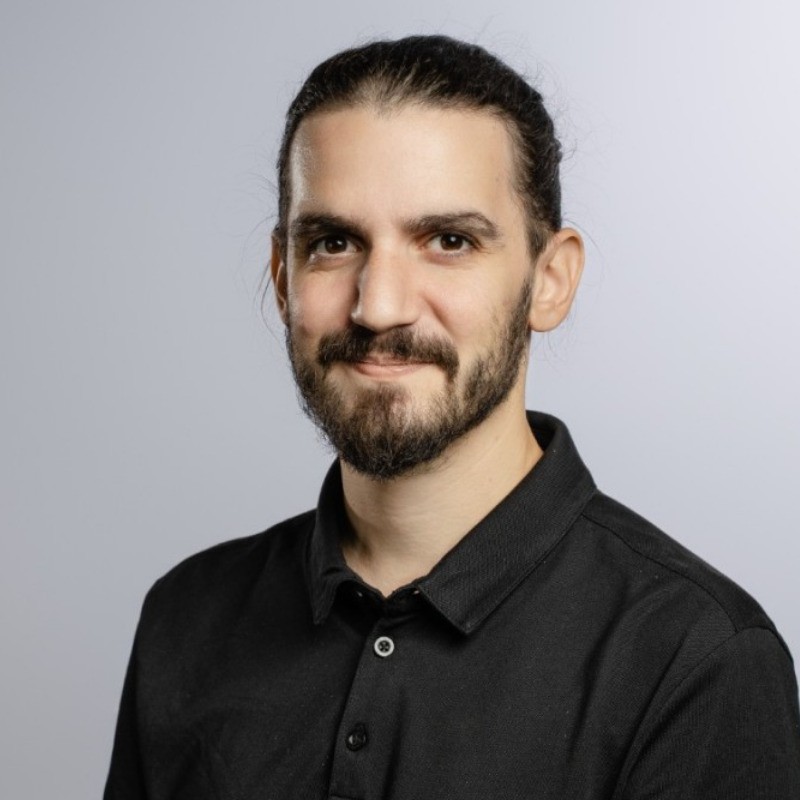 MICHAEL MELIZANIS
Solutions Engineer, Sonar
Building trust in the Agent Centric Development Cycle with Sonar
AI agents generate code at a velocity that legacy workflows cannot support, creating a "verification bottleneck" where manual review negates AI time savings. To realize the promise of AI, organizations must move from probabilistic "vibe coding" to a deterministic, automated verification strategy.
__________________
 KEITH CUTAJAR
President, ISACA Malta Chapter
The Agentic Era: AI-Enabled Malware and the New Incident Response FrontierThe presentation outlines how critical data (PII and IP) and low-latency/high-velocity operations create a target-rich attack surface for AI-driven disruption. It asserts that static compliance is inadequate against intelligent, evasive AI payloads that utilize social engineering, deepfakes, and anti-forensic measures for infiltration and data destruction. The necessary shift is toward resilience over compliance, emphasizing immutable recovery ("The Save Point"), the 3-2-1-1-0 data rule, and continuous verification of data integrity.
Keith Cutajar is a distinguished authority in the fields of cybersecurity, digital forensics, and counter-cyberterrorism. With a career defined by high-stakes operational experience and academic rigour, Keith bridges the critical gap between complex technology, regulatory compliance, and legal adjudication.
An alumnus of the University of Malta with a BSc (Hons) in Software Engineering and AI, Keith further specialized at the prestigious Royal Holloway (University of London). There, he earned his MSc in Information Security with distinction, producing a pivotal dissertation on proactive policy frameworks for decision-makers in the face of cyber-terrorism.
Keith’s professional portfolio spans over a decade of navigating the world’s most hostile digital environments. He has spearheaded responses to critical cyber incidents, including sophisticated state-sponsored attacks against essential national infrastructure. His reputation for technical precision has led to his appointment as a Court Expert in Malta, where he has adjudicated on over 1,500 cases involving digital forensics and cybercrime.
Beyond the courtroom, Keith is a driving force in professional education. Serving as the President at ISACA Malta, he is a sought-after international keynote speaker, having addressed audiences at major summits such as NCC Cyprus and Cyber ROOT. He specializes in high-level training, guiding professionals through the complexities of digital forensics, cyber terrorism, and critical EU compliance frameworks, including DORA and NIS2.
As a visionary entrepreneur, Keith is the Founder and Director of CY4 Ltd, a premier cyber forensics firm. Under his leadership, CY4 serves a diverse clientele ranging from regulatory authorities to major law firms, providing the strategic insight needed to defend against an evolving digital threat landscape.
__________________
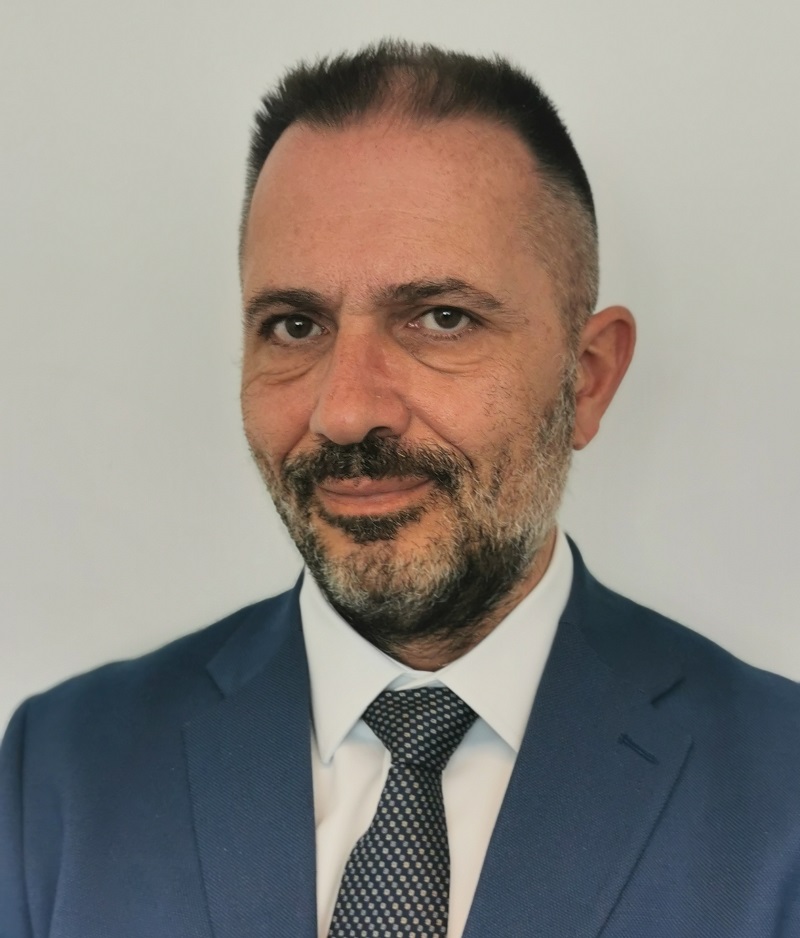 PIERLUIGI SARTORI
Founder and Vice President, ISACA Venice Chapter
Beyond the Firewall: Cyber Resilience as a Fiduciary Duty and the Rise of Personal LiabilityIn an era where cyber incidents can erase billions in market value overnight, the role of the CISO is undergoing a radical transformation: from a technical guardian to a strategic risk manager. With the SEC’s increasing scrutiny in the U.S. and the implementation of DORA in Europe, cybersecurity has officially entered the boardroom as a matter of fiduciary duty. This session will explore the shifting landscape of personal liability for C-level executives and Board members. Drawing from leadership experience in global systemic insurance groups and independent financial institutions, we will analyze why the "reporting to the CRO" model is becoming the gold standard. Participants will gain a pragmatic framework to bridge the gap between technical vulnerabilities and financial risk, ensuring that cyber resilience becomes a pillar of corporate governance rather than a line item in the IT budget.
Pierluigi Sartori - Senior Cybersecurity Executive | ISACA Accredited Trainer | Strategic Risk Leader – Pierluigi is a senior Cybersecurity and Risk Management executive with extensive experience in the systemic financial and insurance sectors, notably within global groups like Generali. He specializes in bridging the gap between technical complexity and strategic business objectives.
With a deep expertise in GDPR compliance and Enterprise Security & Risk Management, Pierluigi focuses on the integration of security frameworks within high-stakes regulatory environments. His approach combines field-proven leadership with a rigorous academic perspective, serving as a Contract Professor at University of Trento and an ISACA Accredited Trainer.
He holds the industry’s most prestigious certifications, including CISSP, CISM, CRISC, ISO27001 LA and ISO22301 LA reflecting his comprehensive mastery of both the management and technical domains of information security. He is also the founder of *GRC Preparation Studio*, where he develops training applications to help professionals navigate governance, risk, and compliance certifications.
__________________

TONCI KALEB
ISACA Croatia Chapter member (and Chapter trainer)
Challenges of the ICT Risk Control Function under DORAExplore DORA's mandate for an independent ICT risk control function. This session tackles the complexities of the '3 Lines of Defense' and segregation of duties. We will address the proportionality paradox and resource scarcity facing smaller entities. Discover pragmatic strategies, from resolving technical debt to effective GRC outsourcing, and gain actionable insights into real-world supervisory audit requirements.
Tonći Kaleb is a GRC practitioner with a strong ICT background. He built his career in financial institutions, with expertise spanning IT audit, privacy, business continuity, information security, AI, and digital assets. Holding major ISACA certifications, he now works as a consultant (control function, CISO, DPO, auditor) and an ISACA trainer. Living in Split, Croatia, he is passionate about aligning emerging tech with robust governance.
__________________
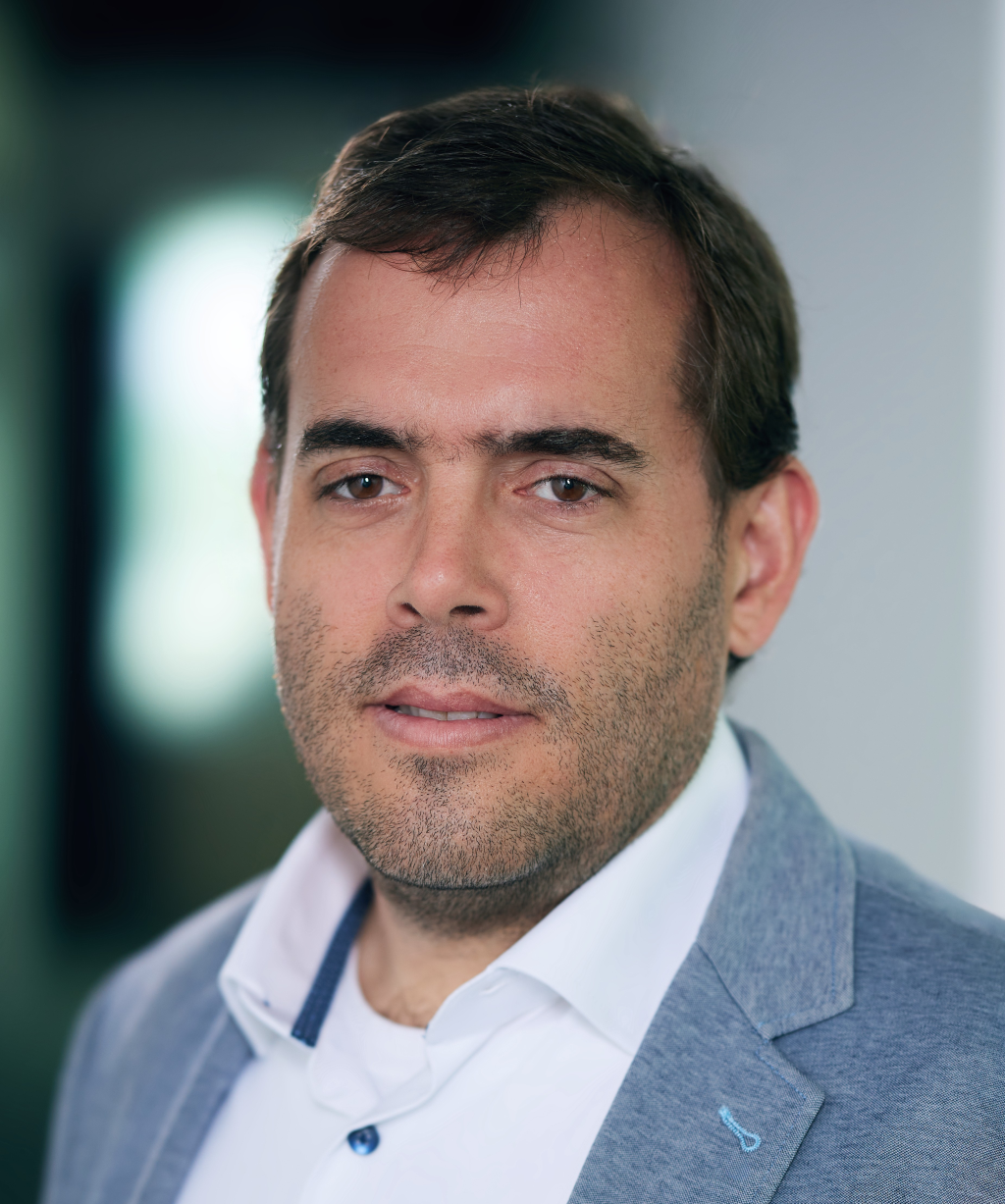
MARIÁN ILLOVSKÝ
board member of ISACA Slovakia Chapter
Security Architecture Implementation in Practice
Security architecture is widely cited in security management — yet rarely well understood in practice. This session cuts through the buzzword and explains what security architecture actually is, how to build it from the ground up, and why it matters beyond compliance checkboxes. Drawing on real-world implementation experience, we demonstrate that solid architectural foundations are not academic deliverables — they are practical tools that improve risk visibility, support business alignment, and strengthen day-to-day security decision-making.
Marián Illovský is co-founder and Audit Partner at auditori.it, a member of the Cyllium Group. With over 20 years of experience in information security auditing and cybersecurity management, he brings deep practical expertise to every engagement.
Marián serves as an external assessor for the Slovak National Accreditation Service across ISO 27001, ISO 20000-1, ISO 22301, and eIDAS standards, as well as for cybersecurity auditor and manager certifications. He also acts as an eIDAS external assessor for Slovenian Accreditation.
As a board member of ISACA Slovakia, Marián is actively engaged in shaping the professional cybersecurity community. He holds numerous industry certifications including CISA, CISM, CIA, CDPSE, GRID and GICSP, complemented by Slovak national certifications as both a Cybersecurity Auditor and Cybersecurity Manager.